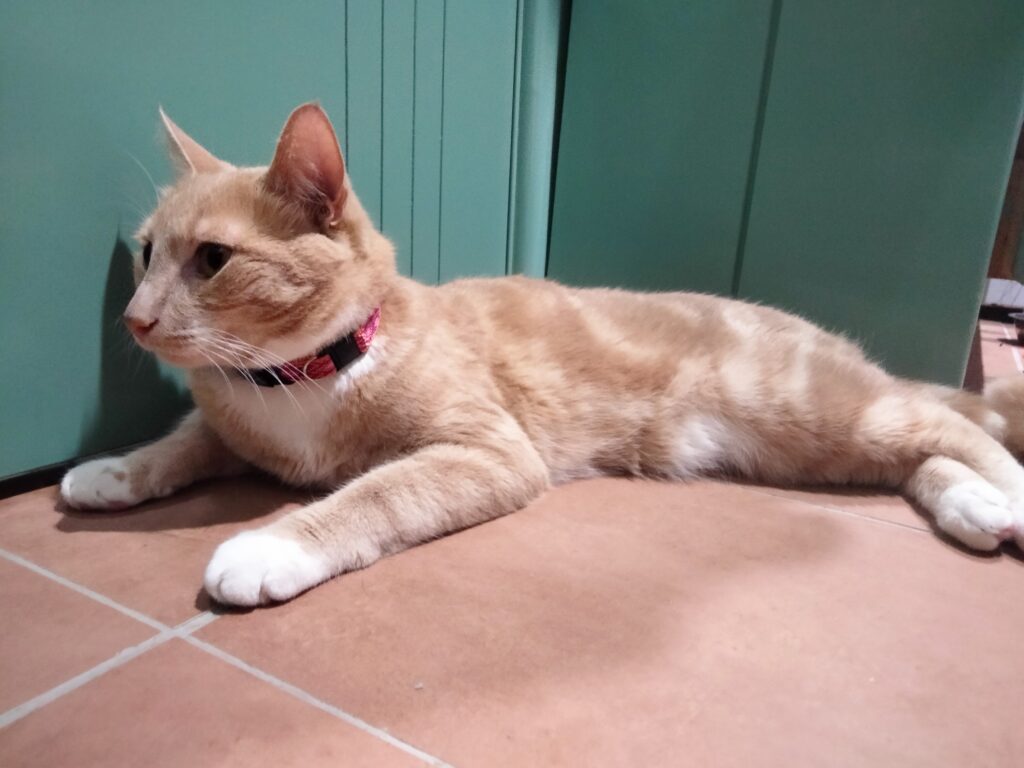
Meet Mr Iggy. This gorgeous little fellow has come to live with me on his way to finding his forever home.
Mr Iggy was unfortunately very stressed in his previous home and was spraying for months outside of his litter tray. His human wants to find him a home where he’ll be happier and I’ve offered to sort his stress out before we get him rehomed.
If you have a cat who’s regularly toileting outside their litter tray, the first thing to do is get them check out by a vet. Iggy had crystals and bacteria in his urine and the vet believed his spraying was stress induced and his symptoms most consistent with feline lower urinary tract disease.
To retrain him to use his litter tray and prevent him having any further uninary issues, I’m following advice from experts and doing the following things:
– Reducing his access to the house and keeping him contained to one room until he proves he’s using the litter tray 100%. This also is helping reduce his stress levels and is essentially a reset for this sort of problem behaviour.
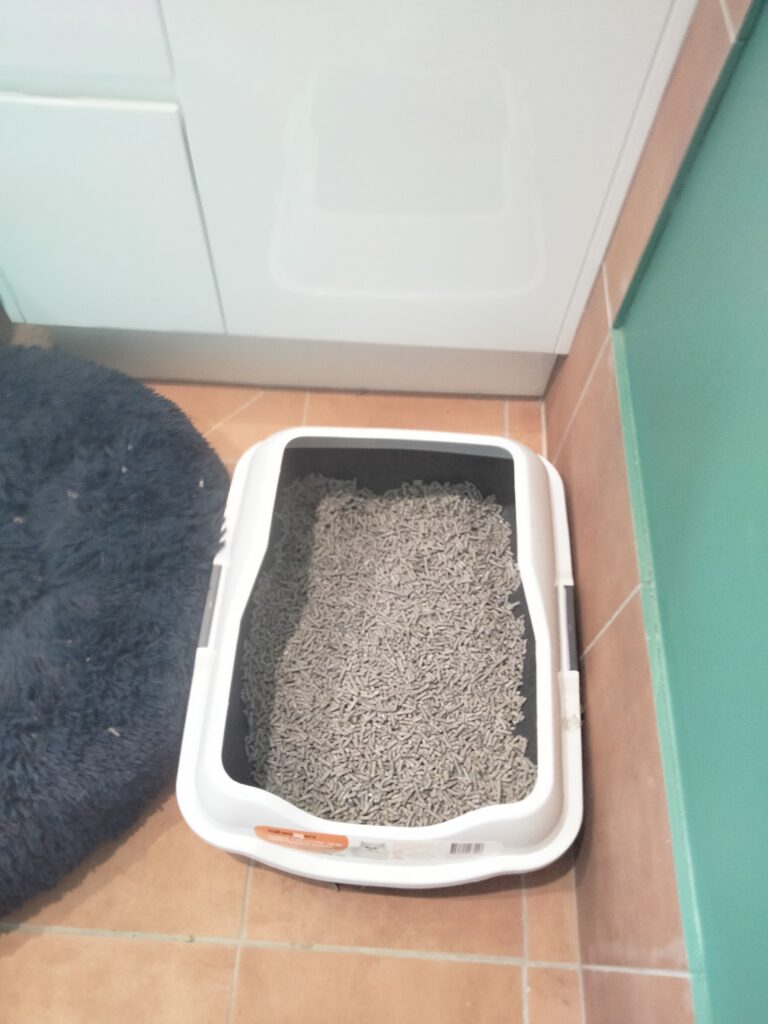
– Providing multiple cat litters (in Iggy’s case two) and keeping it as spotless as I can. It’s a bit of maintainence, but I’m scooping and monitoring his litter tray 3-5 times a day. I don’t want him to have any reason not to use the tray.
– I’ve put him on a wet food diet with added extra water to encourage good hydration and and kibble that acidifies his urine and stops crystal formation.
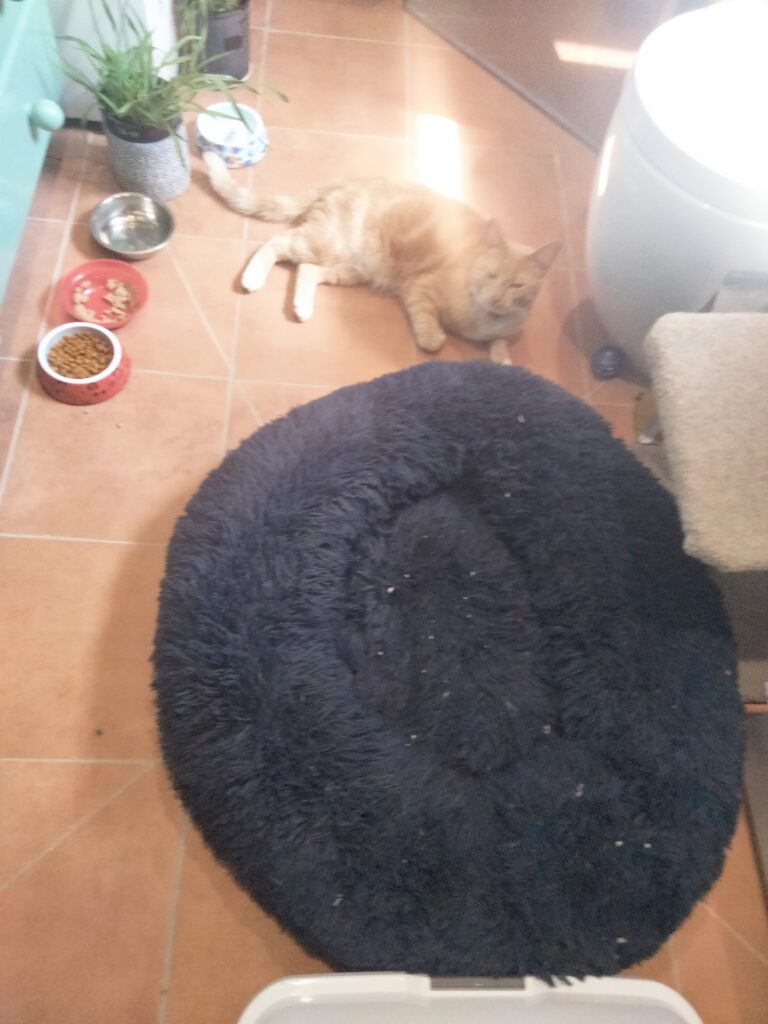
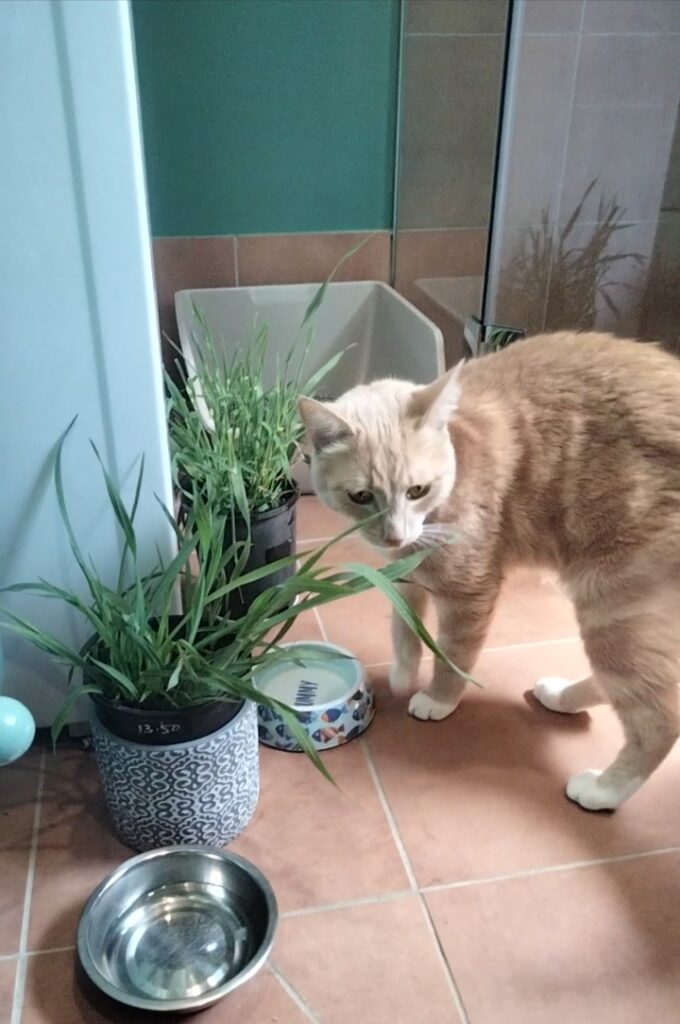
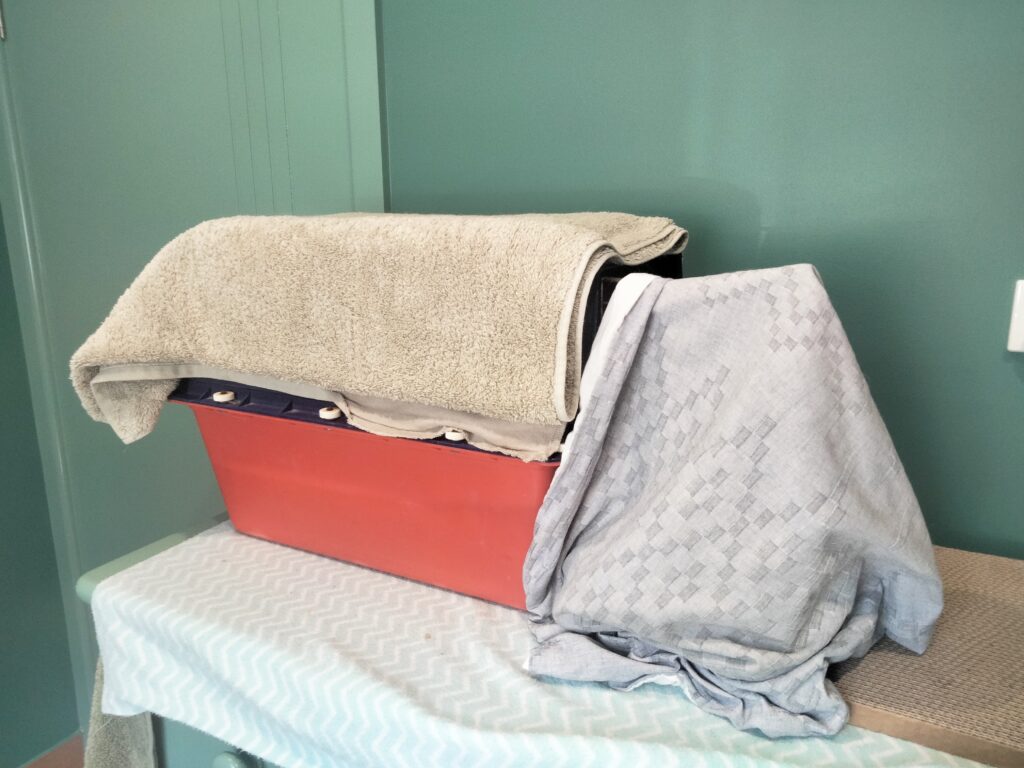
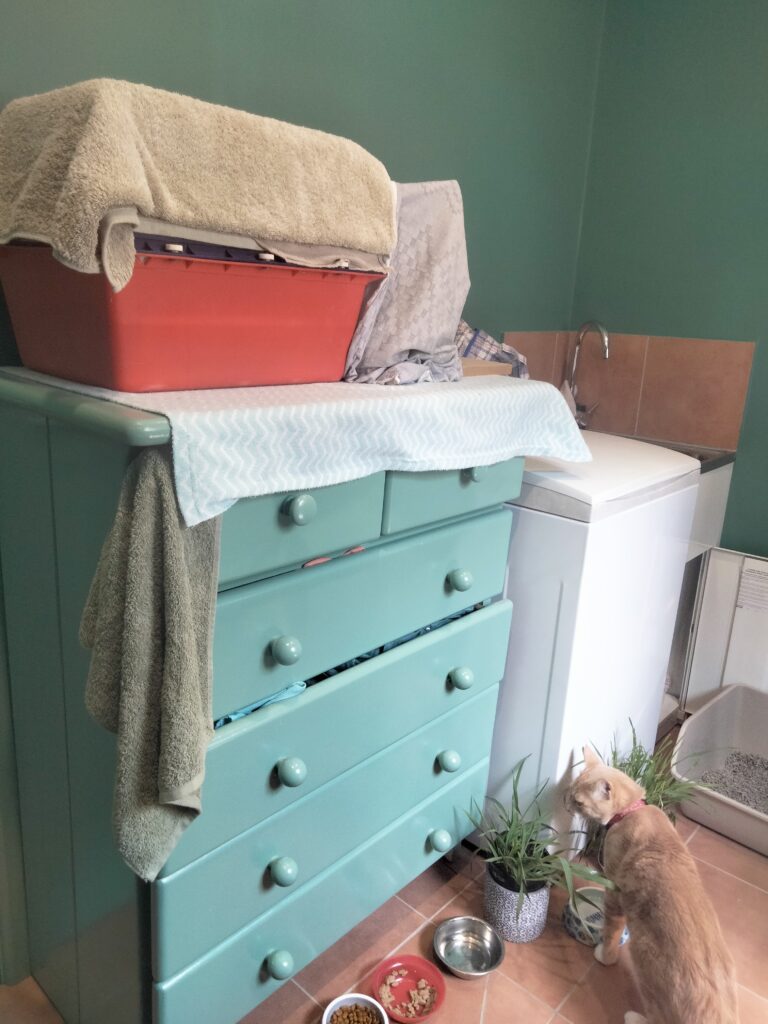
– Because he’s world has become smaller for now, I’ve done my best to make the space interesting and to help him feel safe in it. He has multiple hidey holes and comfortable resting spots, grass to munch on, high places to perch and his favourite king size bed to kneed cookies in.
– I’ve done some animal kinesiology therapy with him to help reduce his stress levels. Cats respond really well to kiensiology and from a previous session (when he was back at his old home) his human told me he was a different cat afterwards.
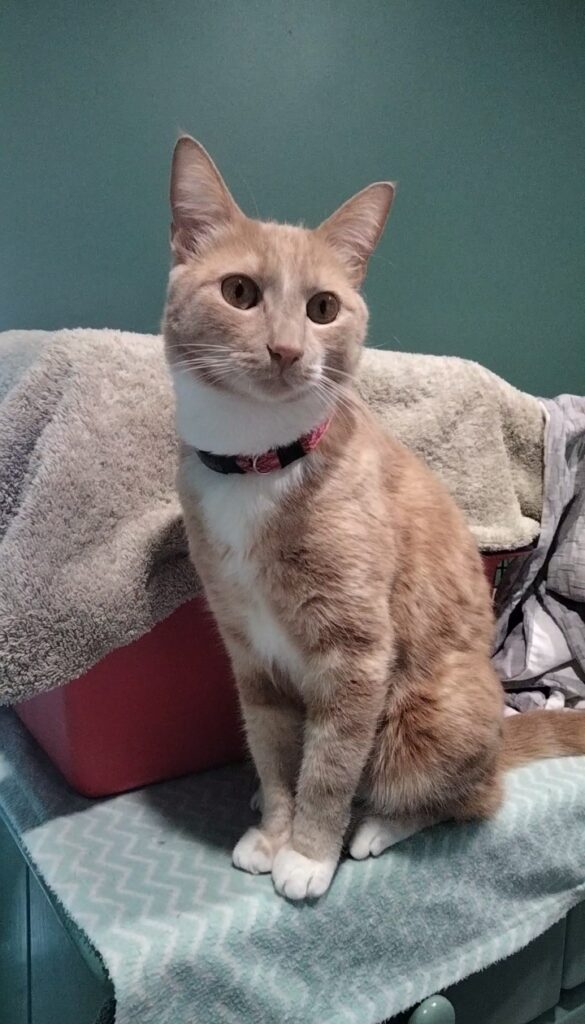
Iggy is doing great so far. He’s been using his litter like a champ, we’ve had no inappropriate spraying and I’ve been able to allow him to explore the bedroom (though he likes to head back to the bathroom and use it as his napping, chillout base).
Stress plays a major role in problem behaviour both in cats and dogs and when we can identify and work on reducing the stress load, we can often see transformation in behaviour. If you have a cat who’s spraying, a vet check and stress management is a great place to start changing this behaviour.